Education is most effective when it develops the whole child. Academic knowledge is essential, but children also need confidence, character, creativity, physical wellbeing, communication skills, and healthy relationships. This balanced approach is often called holistic education.
Academic growth remains important
Holistic education does not reduce academic expectations. It strengthens them by helping pupils become focused, curious, resilient learners. Literacy, numeracy, science, languages, and other subjects are taught alongside the personal skills children need to use their knowledge well.
Children learn through different strengths
One pupil may understand an idea through reading, another through discussion, movement, drawing, music, or practical work. A balanced programme gives teachers several ways to introduce concepts and gives children meaningful opportunities to demonstrate understanding.
Character shapes achievement
Qualities such as discipline, honesty, respect, patience, and responsibility influence how children approach learning and relationships. Schools reinforce these values through routines, teamwork, leadership opportunities, and the example set by adults.
Creative activities build confidence
Art, music, drama, cultural activities, and storytelling allow children to express ideas and take positive risks. Performing or presenting work helps pupils become comfortable speaking before others and celebrating what they have achieved.
Movement supports healthy development
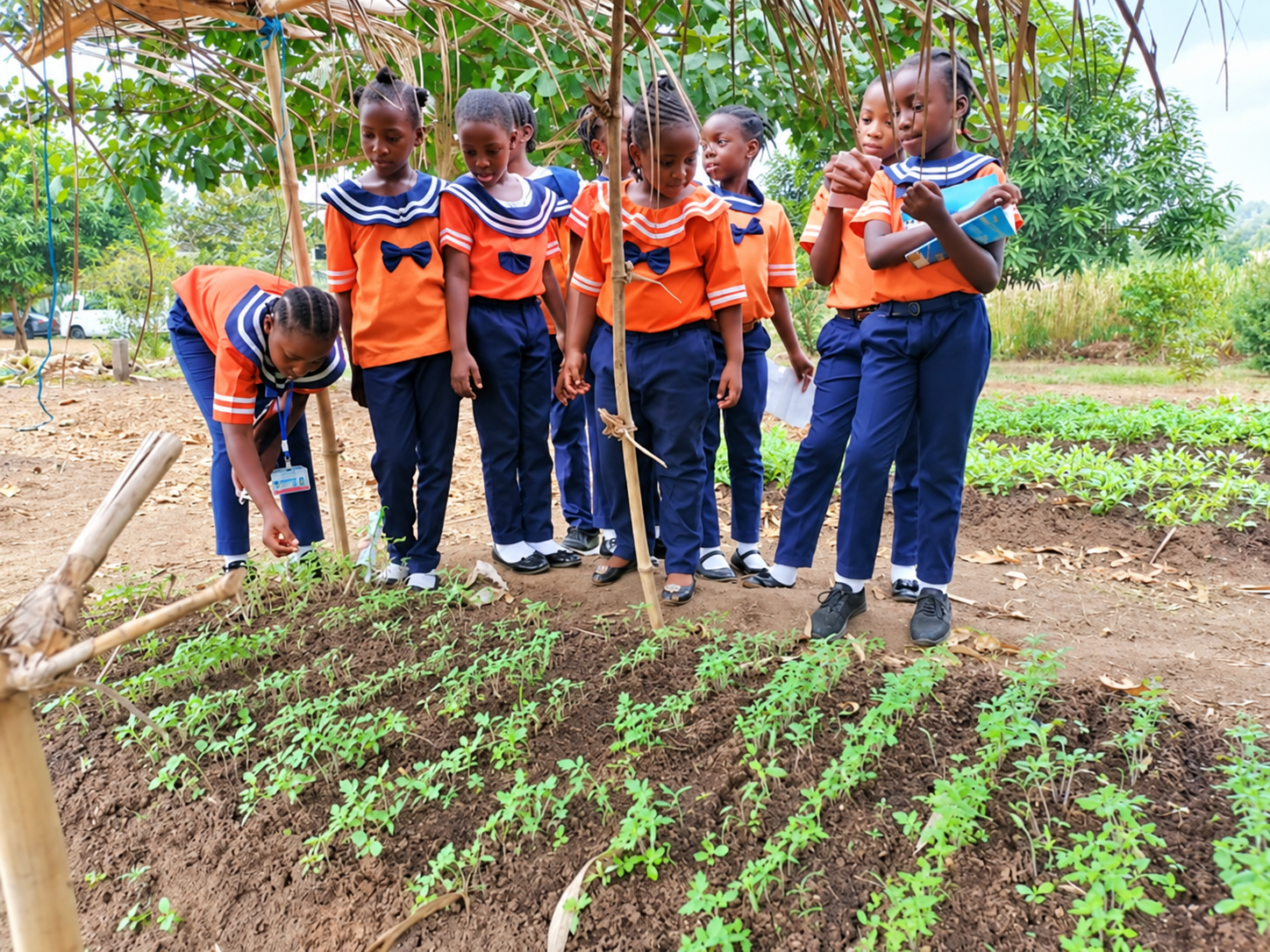
Sports, games, and outdoor activities develop coordination, teamwork, perseverance, and healthy habits. Movement can also help children manage energy and return to classroom learning with better concentration.
Emotional wellbeing affects learning
A child who feels respected and supported is more willing to ask questions, attempt difficult work, and learn from mistakes. Caring teachers and predictable routines help pupils develop security and a positive attitude towards school.
Families and schools work together
Holistic development is strongest when parents and teachers communicate. Progress reports, meetings, school activities, and conversations about a child’s needs help both sides provide consistent encouragement.
At Archangels Bilingual Nursery and Primary School, our programme combines bilingual academics with arts, sports, cultural learning, digital skills, clubs, and character formation. This approach supports pupils from Pre-Nursery to Class Six as they grow into capable, responsible, and confident learners.